- Management Plan
- Total budget: £12,944
- Budget spent: £12,944
- Status: In Progress
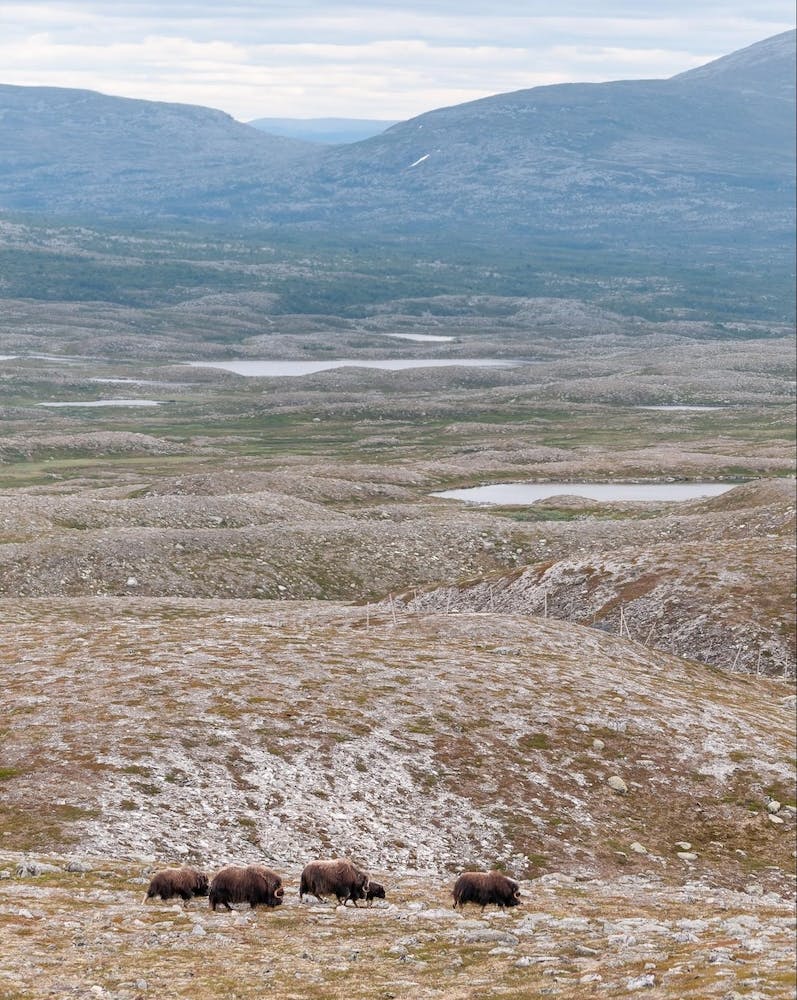
The muskox is one of the few remaining large mammals that survived the last Ice Age. In Sweden, only one herd of this arctic herbivore is known to exist today. Originating from a small group that migrated from Norway in 1971, the Swedish population dwindled from 36 individuals in the 1980s to only 7 in 2010. With such few numbers and low genetic diversity, it's paramount we gather more data on this herd to prevent it from dying out. Through this project, we're supporting the organisations and people dedicated to saving Sweden's last wild muskoxen. This begins with a survey to improve our knowledge of this herd and its impact on the ecosystem to assess its potential conservation.
Project Timeline
Phase 4: 2026
Conclusion and Analysis: Evaluate findings to determine if conservation efforts are justified and develop recommendations for population management.
Phase 3: Fall 2025 - 2026
Three new studies - based on non-invasive fecal sample collection from both muskoxen and reindeer (in collaboration with SLU) on gut microbiota and intestinal parasites; inbreeding and genetic structure: foraging ecology and interspecies competition.
Ice Age Survivors
Muskoxen (Ovibos moschatus) were once widely distributed across the Arctic Circle roaming vast areas alongside mammoths, woolly rhinos, and saber-toothed cats. In Europe, their most recent remains date back to about 9,000 years ago, likely indicating they were hunted to extinction along with other megafauna of that period. Adapted to the the cold, arid tundra, populations in Greenland and North America managed to survive the mass extinctions at the end of the Pleistocene and still exist today.
Reintroducing the Muscok to Scandinavia
During the 20th century, there were several reintroduction attempts in Norway with individuals captured from the population in Greenland, but most were unsuccessful with all the introduced animals eventually dying out. In 1947, a larger scale reintroduction occurred, which formed the basis for the current population of about 250 muskoxen in Norway. Despite the population growing over the last 80 years, they face long-term risk due to low genetic diversity.
Sweden's last herd
In the 1970s, 5 muskoxen crossed from Norway to Sweden, establishing a population in Härjedalsfjällen. This population peaked in the mid-eighties but has since declined. The last official count in 2010 indicated just 7 muskoxen remain and no further inventories have been conducted since. As a species not officially recognised as native in Sweden, this remaining herd faces additional challenges for its protection without any established protocols. This was highlighted when a wandering lone male called 'Brutas' famously came into contact with the public over a 3-year period causing controversy before being transferred to the Muskox Centre in Härjebrygg.
The Importance of Muskoxen
Muskoxen are keystone species in alpine forests and tundra ecosystems. Studies in Greenland and Canada (referenced in our management plan) have shown that these large mammalian herbivores hold key functions for ecosystem services and are proven to have positive effects on local biodiversity. Through their grazing, fertilising and trampling, muskoxen promote greater species diversity and grass-dominated habitats by altering plant and nutrient dynamics. These activities can influence the carbon balance and seasonal changes in the area, helping to buffer the effects of climate change and increase the stability of plant communities. However, their specific role in Sweden's mountain ecosystems has not been studied.
Muskoxen are one of the few remaining prehistoric animals, holding significant nutritional, economic and cultural importance for northern communities. This iconic species could also boost rural economies in Sweden by fostering wildlife tourism and supporting a nature-based economy.
Project Objectives
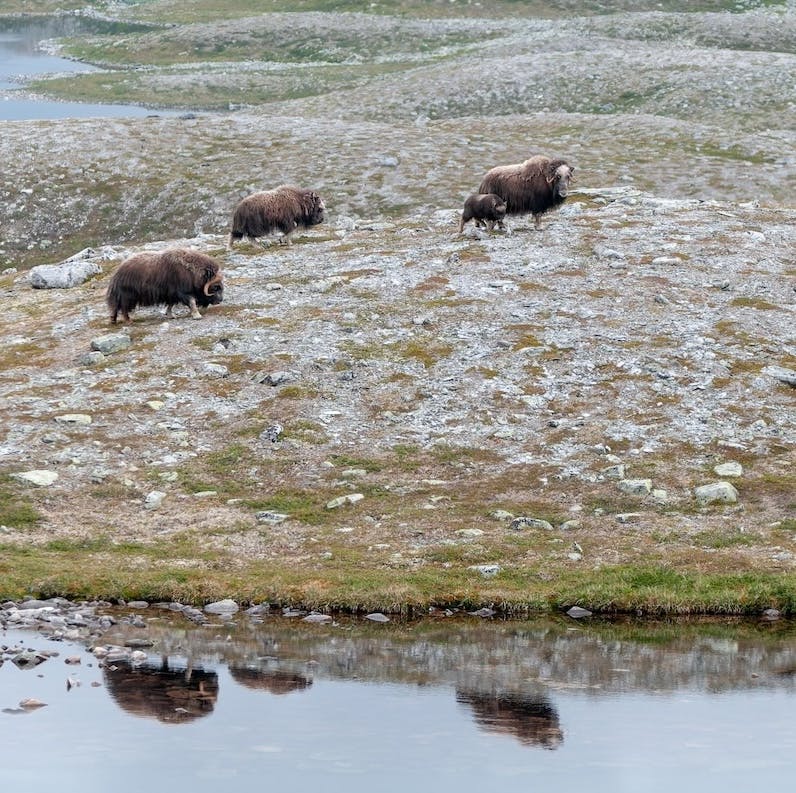
This project's main aim is to evaluate the long-term viability of the Swedish muskox population and explore their role as a biodiversity-promoting herbivore in the mountain ecosystem. To address the current knowledge gap, a survey will be carried out focusing on answering the following areas.
Key Questions:
- What is the current status of the Swedish muskox population?
- What is their current habitat?
- What is their main diet?
- How do muskoxen influence biodiversity in the Swedish mountains?
- Should conservation efforts be justified to support muskoxen in Sweden?
The main activities planned include:
- Literature review: to compile and compare studies in Greenland, Canada and Norway about feeding strategy, habitat, coexistence with other species, sensitivity and ecological contribution.
- Inventory or direct count to locate the herd: to update the population size of the Swedish muskox and their gender distribution with individual assessment.
- Collection of faecal samples: to infer the diet and nutritional status of the wild population through diet analysis, collection of droppings and wool, vegetation inventory and analysis, soil sampling, and other data collection efforts. This will be conducted during 5-6 occasions from spring to fall 2024.
- Comparative study of diet through faecal samples from muskox/reindeer: to investigate the species impact on the ecosystem and interspecific competition.
If results are positive, this could justify the development of a conservation and management plan for the Swedish muskox populations in the future.

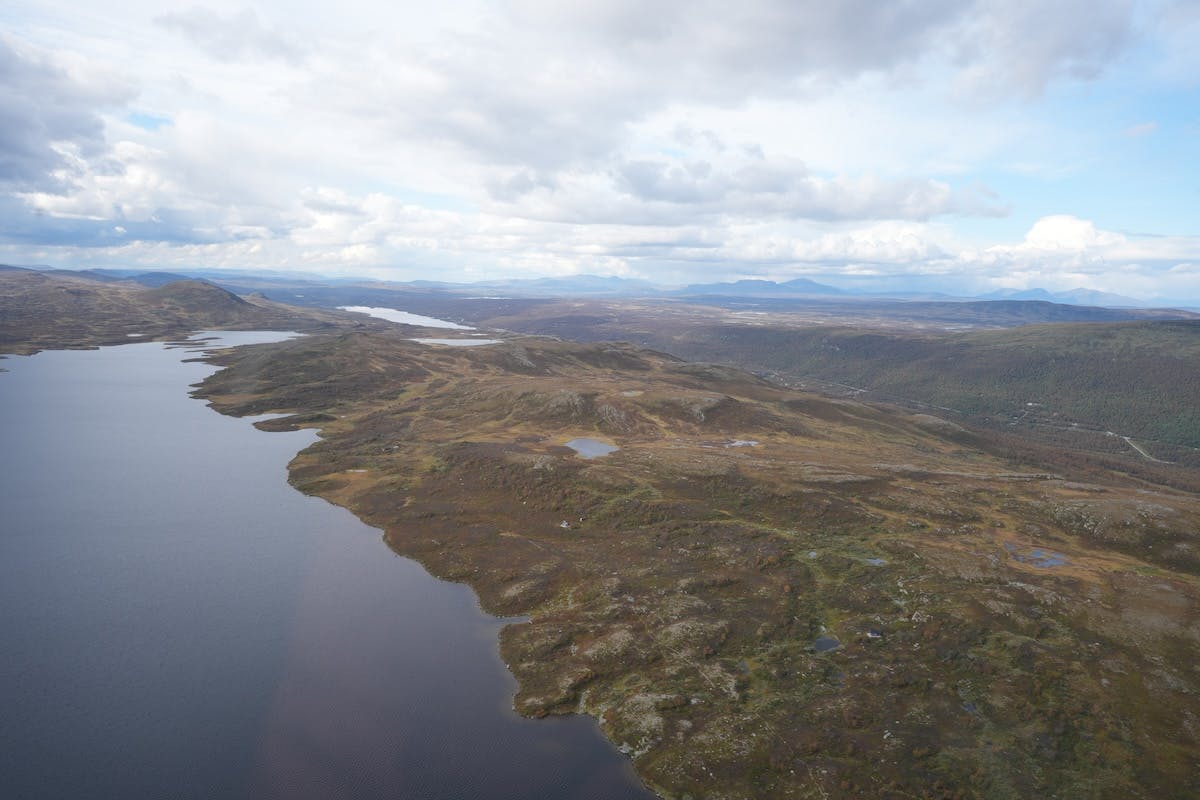
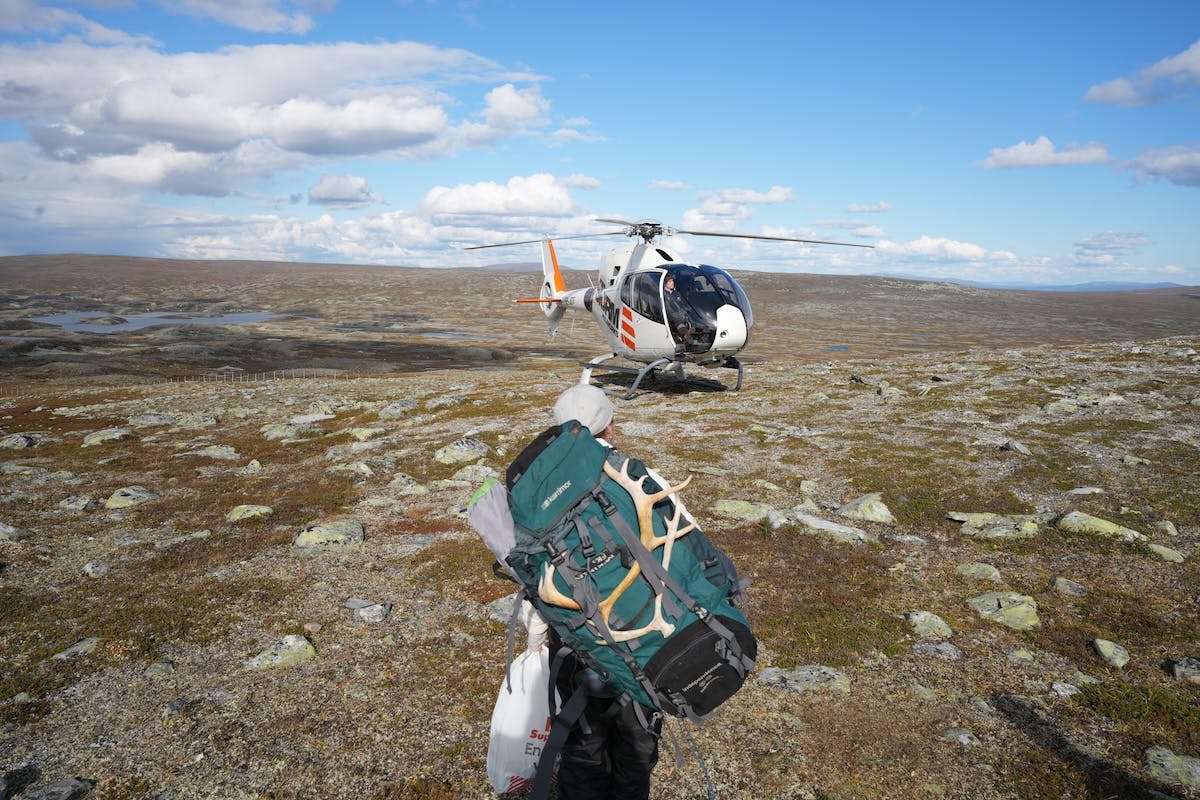
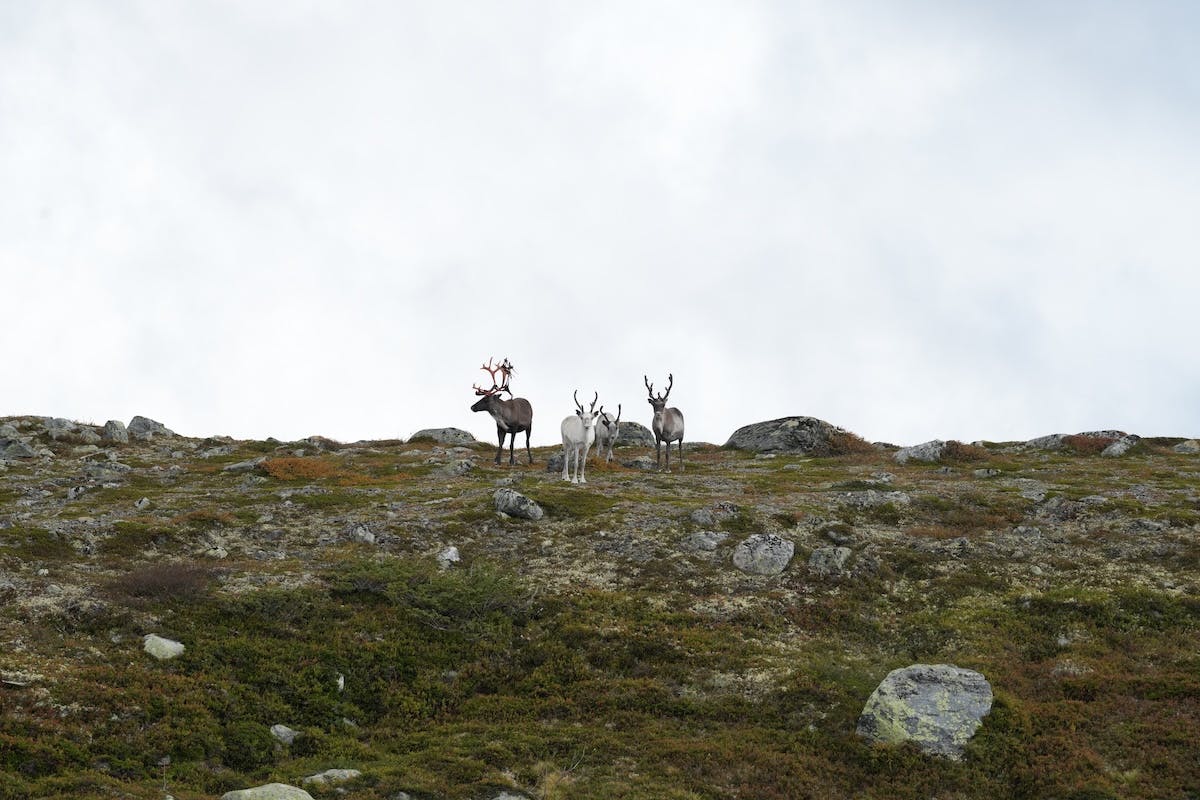
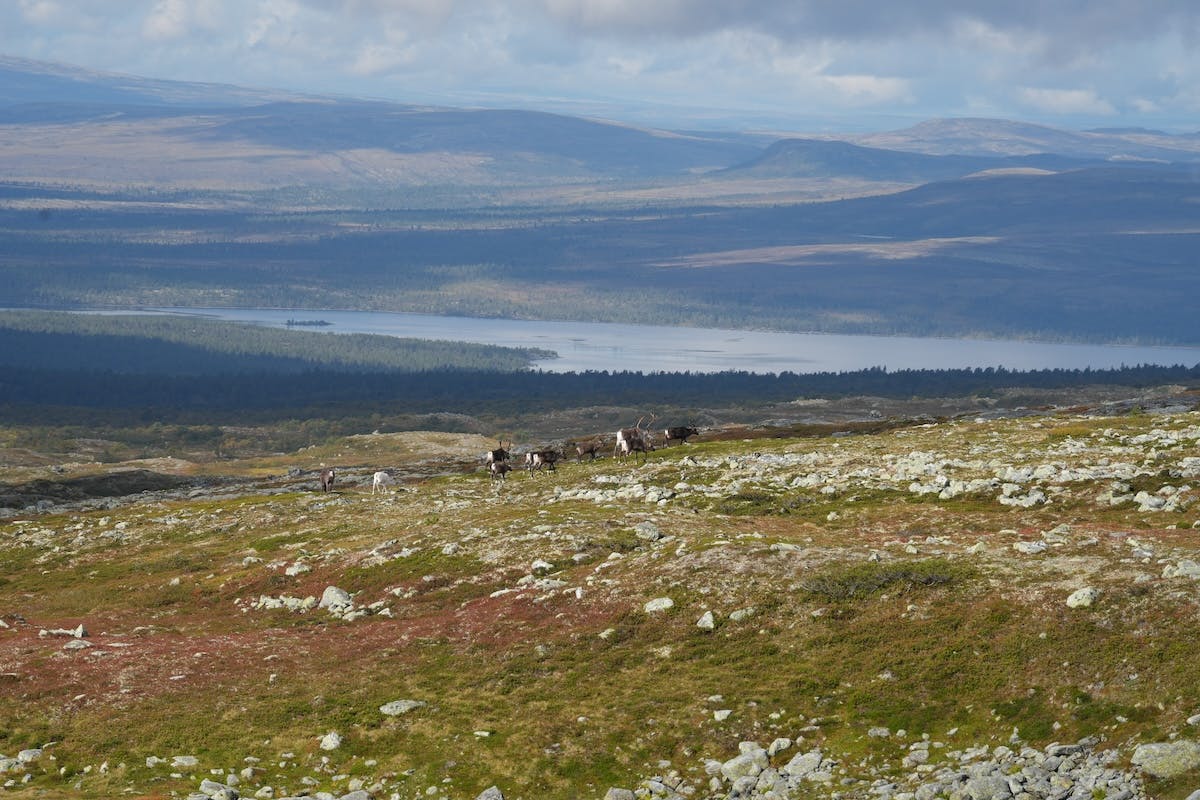
Field Trip Summer 2024
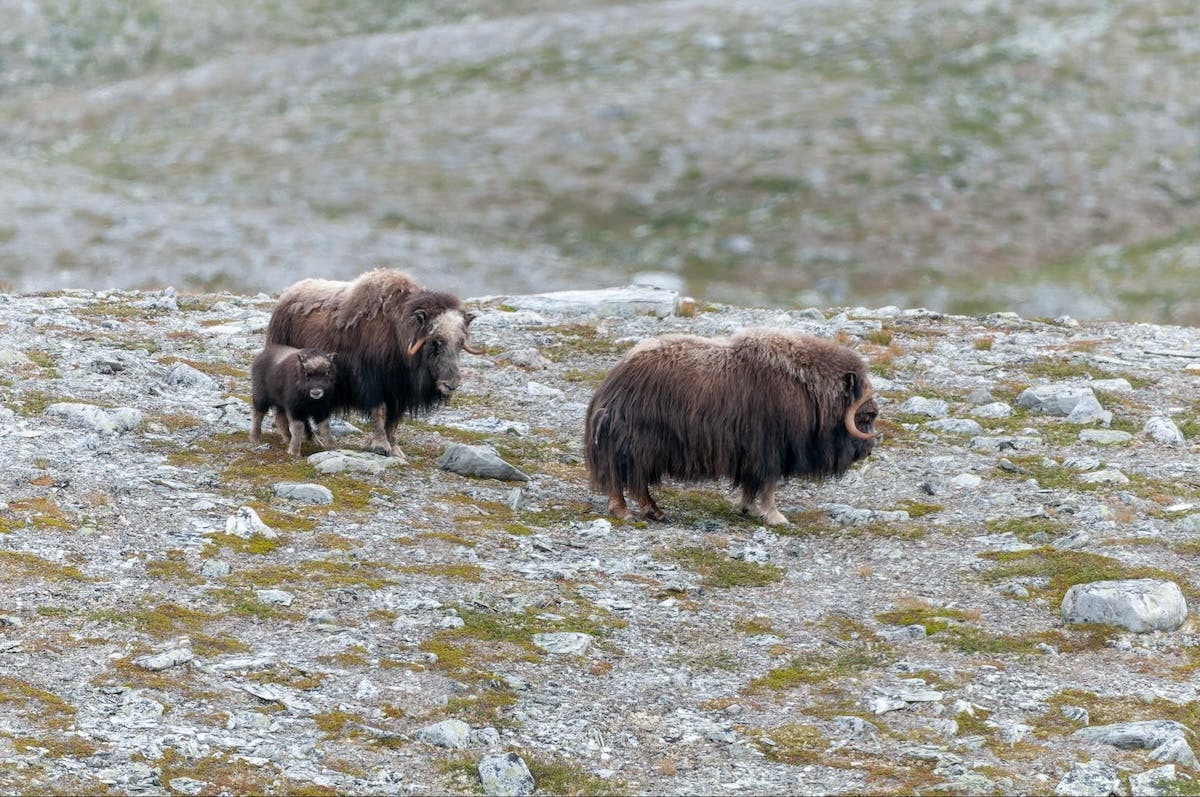
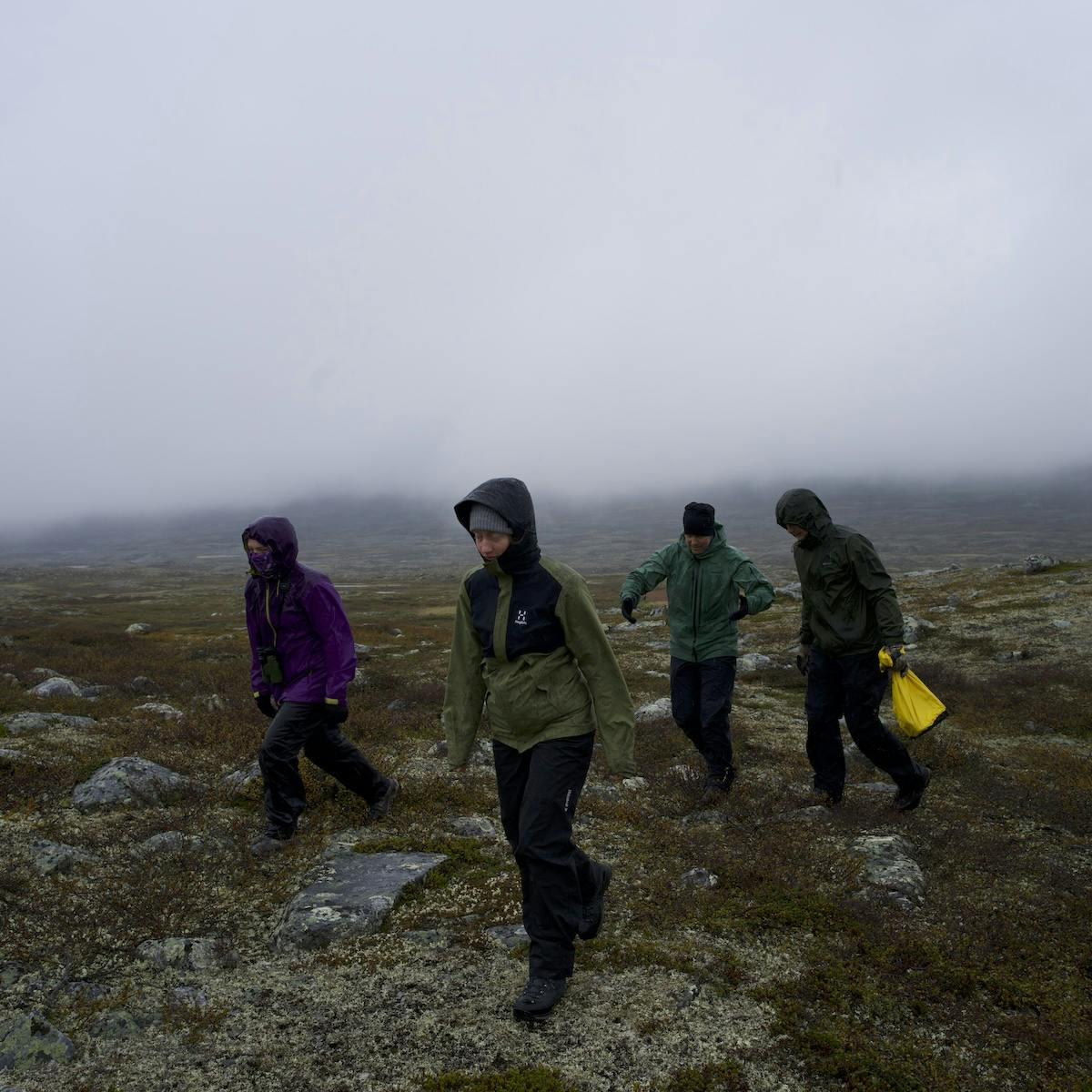
The purpose of this expedition was to conduct a population inventory, collect fecal samples, and collect data for a comparative study to analyse fecal samples from musk oxen and reindeer to investigate their ecosystem impact and potential competition.
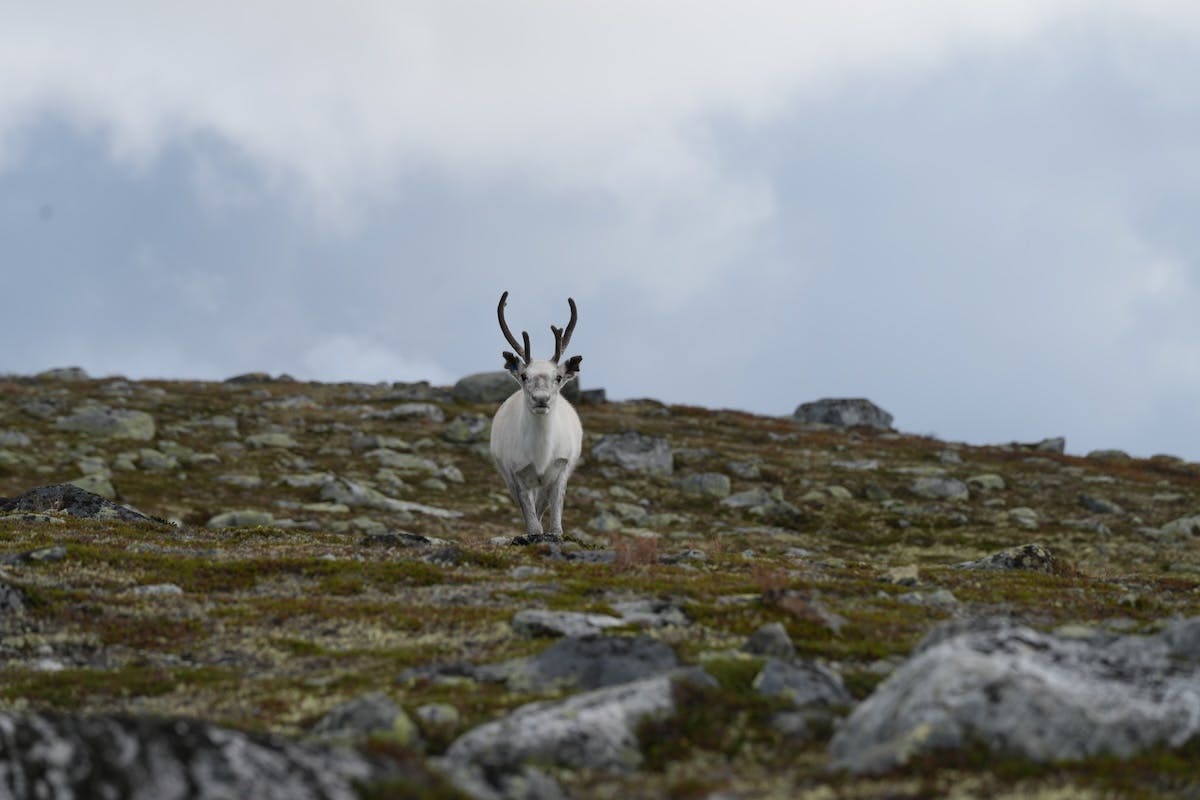
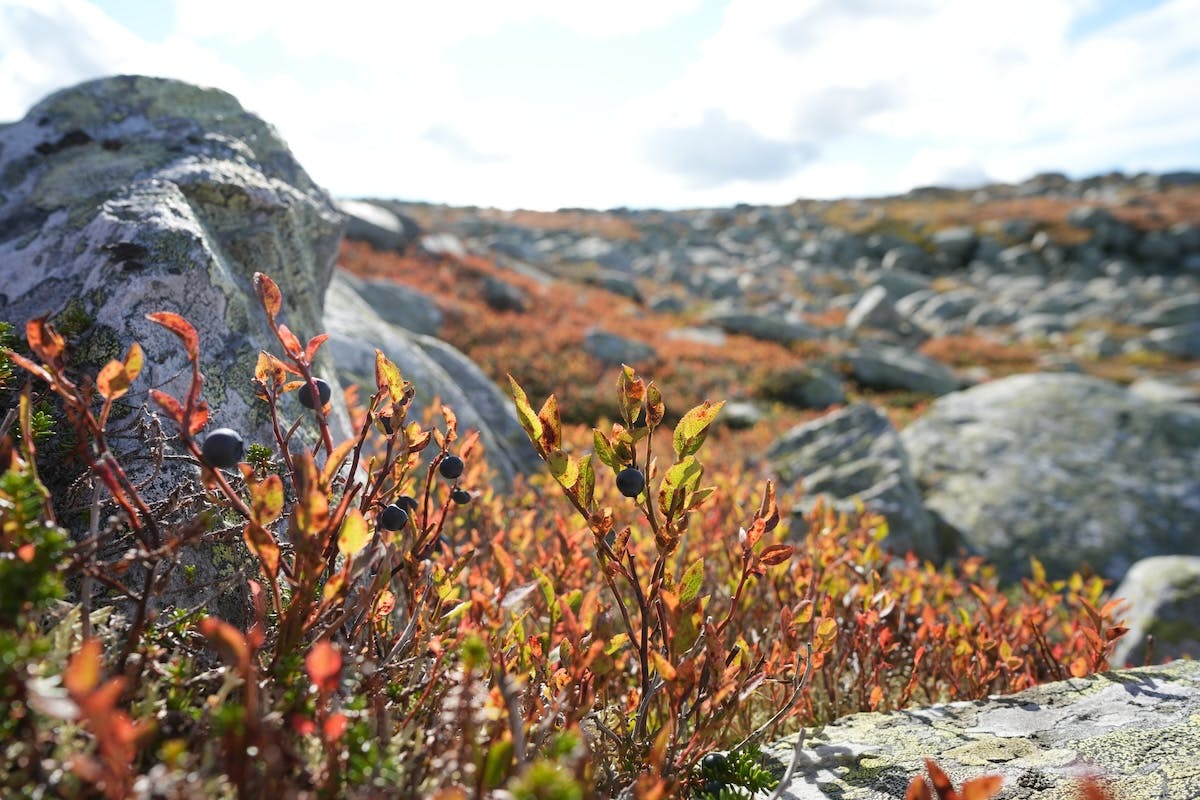
2024 Study: findings and species status
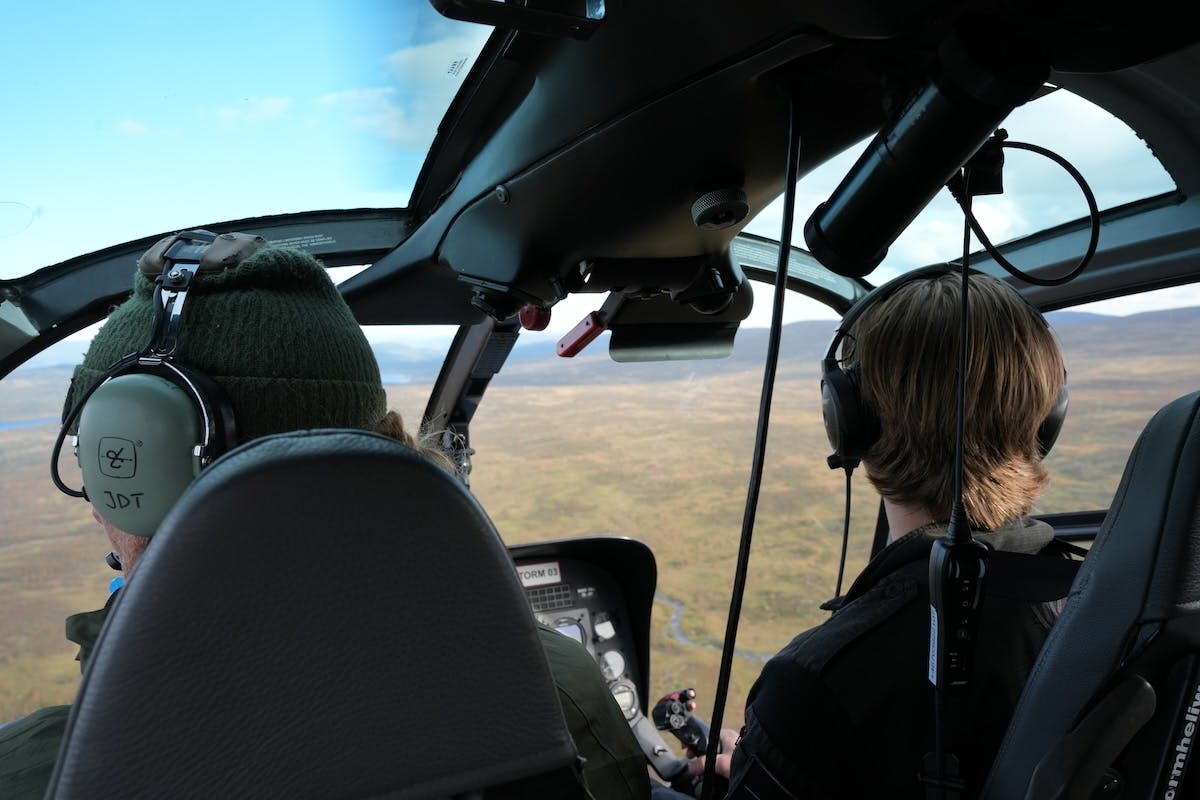
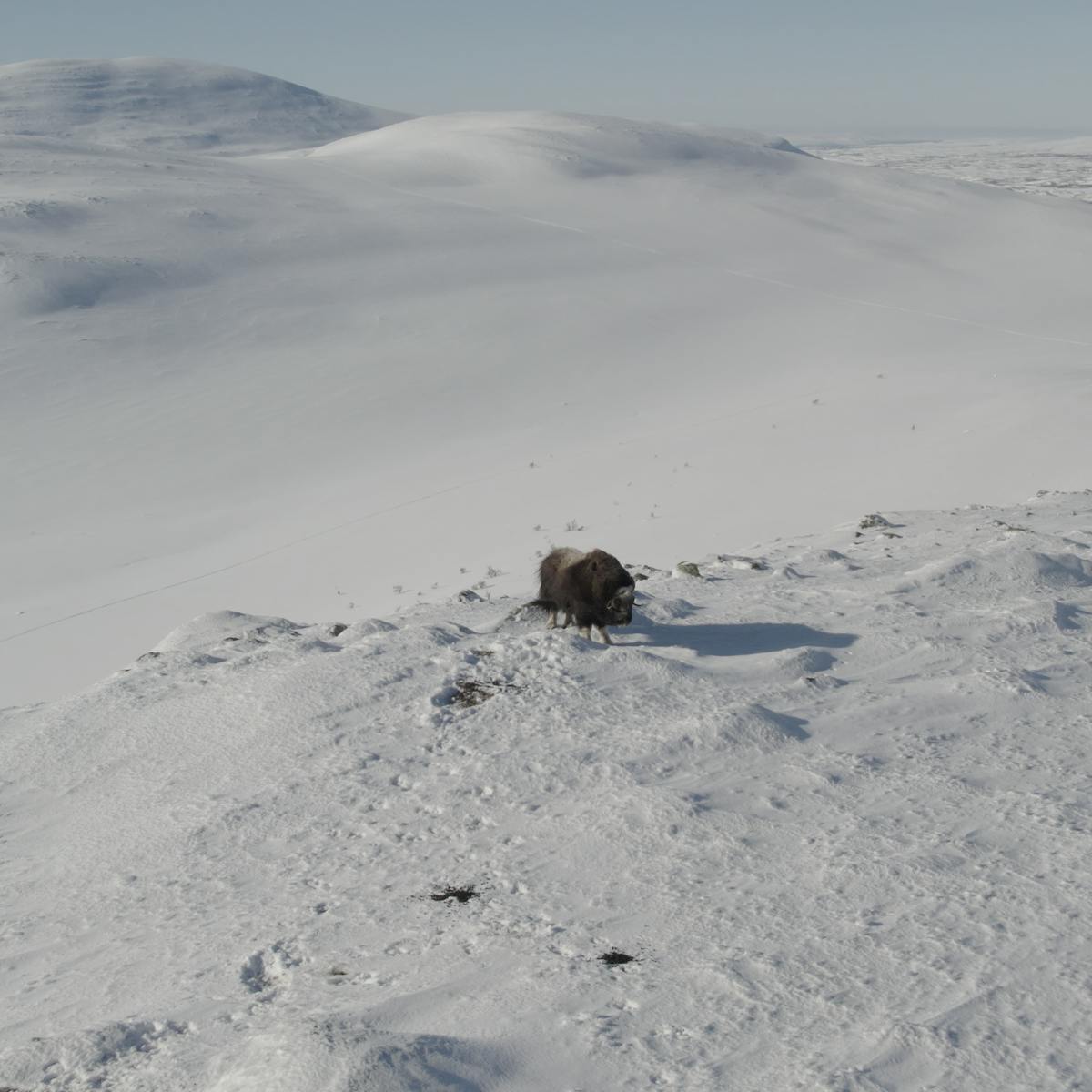
The field team's initial research in 2024 addressed core questions regarding the population's status, habitat, diet, influence on alpine biodiversity and the justification for conservation practices. They discovered the population showed positive signs, with confirmed reports of one new calf born in the spring. A total of eight individuals were observed in the summer with one extra bull observed in the autumn, and various samples were collected for ongoing research.
Key achievements:
- Field Work: 8 field inventories were successfully completed (3 in winter, 5 in summer).
- Observations: 9 individuals were observed, comprising 4 bulls, 3 cows, 1 sub-adult and 1 calf.
- Encouraging signs: Reports in spring 2025 indicated the observation of 1 new calf, a very positive development.
- Sample collection: Fecal, wool, and soil samples were collected for scientific analysis.
- Data improvement: Public observation protocols were developed to enhance data gathering.
- Research output: Two research projects were completed: A master’s thesis (SLU/Uppsala University) examining seed dispersal and potential food competition with reindeer, and a literature review and ecosystem function assessment (CNRS/University of Toulouse) published paper.
- Annual report: an annual report has been produced (original Swedish, machine translated to English).
The Plan for 2025:
Originally, the project intended to fit GPS collars to muskox and possibly reindeer. However, this was postponed because the animals are currently spending more time in Norway where muskox collaring permits are not granted. Instead, the efforts in 2025 will focus on structured field inventories and three new collaborative research studies with SLU (Swedish University of Agricultural Sciences):
- Gut microbiota and parasites: To investigate factors that may limit population growth.
- Inbreeding and genetic structure: Building on new samples and existing DNA material from over 10 years ago.
- Foraging ecology and food competition: Comparing the diets of muskoxen and reindeer using DNA barcoding.
A Collaborative Effort
This intervention is part of Project Myskoxe 2030 which brings together a diverse range of organisations to improve our knowledge on the current status of Swedish muskox population. Each organisation contributes unique skills and is committed to sharing information, practices, methods, and ideas to achieve the project's common goal.
The involved partners are Vildriket, the Muskoxcentrum, Lycksele Djurpark (Sweden’s northernmost zoo), the Swedish University of Agricultural Science, the University of Toulouse and the CNRS (Nacional Centre for Scientific Research) in France. Mossy Earth, along with SAZA (Swedish Association of Zoos and Aquarias), and the Western Härjedalen Nature Conservation Association, have funded this project.

The Muskox Saga - Part 1
This series starts with the story of a bull named Brutus that roamed Sweden in search for love. See how we got involved to shine a spotlight on the issue with the hope that together we might be able to help this herd.
If you'd like to help the muskox more, check out Mossy Earth supporter Robert's kickstarter and cool initiative!

the team behind the project
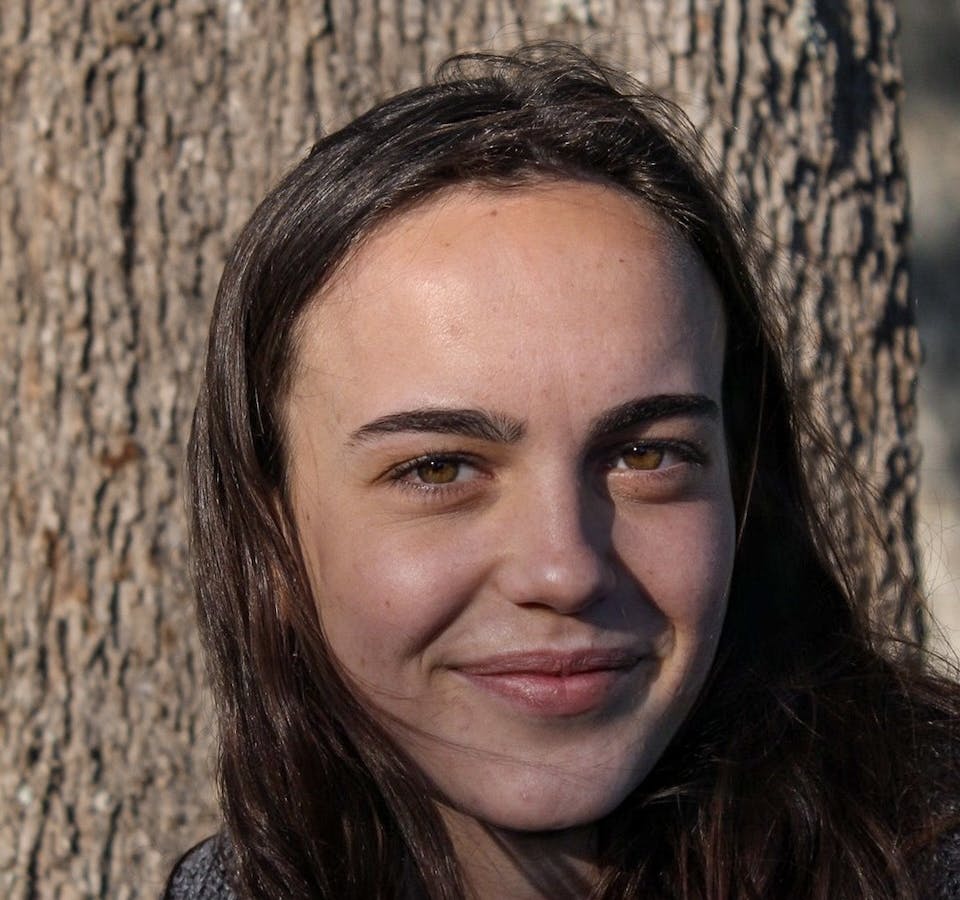
Flora Hentz Partnership Project Coordinator @ Mossy Earth
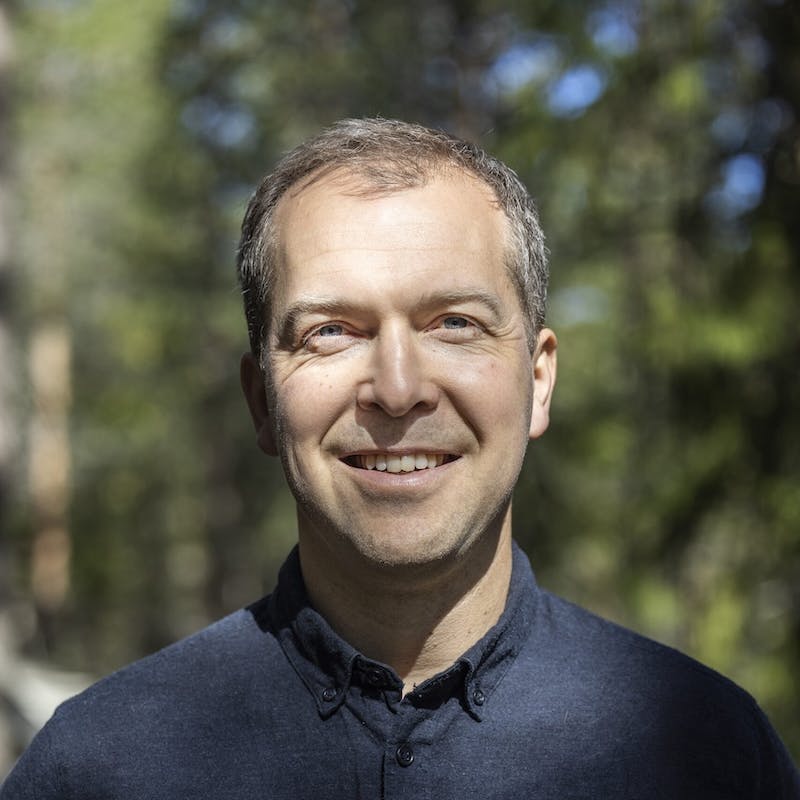
Jens Larsson, Executive Director @ Vildriket